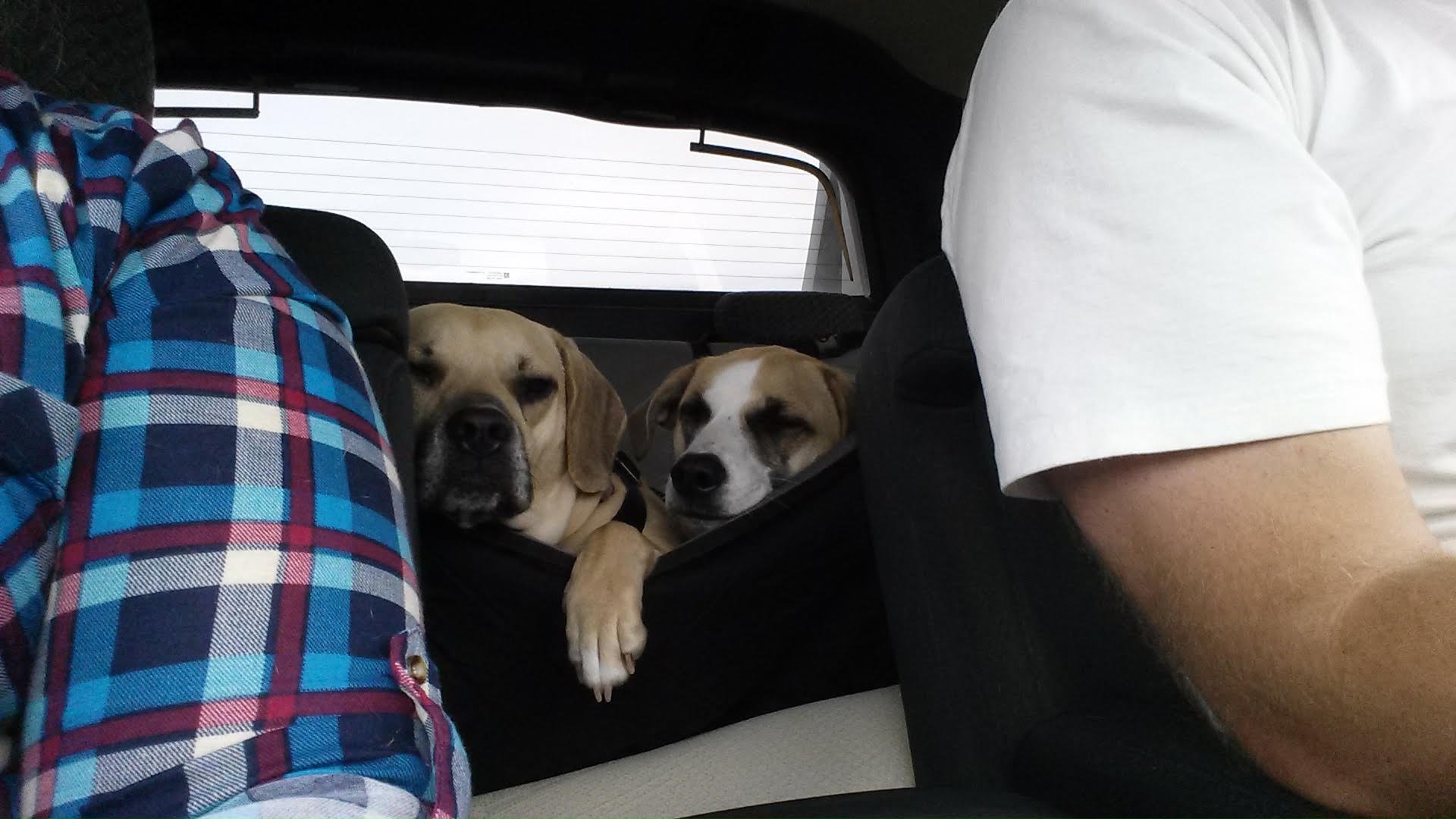
Sometimes the best thing you can do is sit back and enjoy the ride. Not everyone needs to be in the driver's seat. 🐾
I've spent a significant portion of my career helping businesses create better customer experiences, build stronger relationships, and recognize opportunities to grow. I believe in personal connections, thoughtful follow-up, and making people feel valued throughout their experience with a business.
But I also believe there's a point where we need to get out of our own way.
Because sometimes, the best thing we can do for our customers is make it possible for them to accomplish what they need without us.
I know. Coming from someone who named her business Classic Customer Service, that might sound a little contradictory. 😂
Hear me out.
Think about the last time you needed to accomplish something relatively simple. Maybe you wanted to schedule an appointment, update your account information, purchase a product you've already researched, or find an answer to a question.
Did you really want to call someone, explain what you needed, wait for a response, and coordinate schedules just to complete a task that could have taken two minutes online? Probably not.
Yet businesses unintentionally create these barriers all the time.
We require phone calls for appointments that could easily be booked online. We ask customers to complete forms with information we've already collected. We make people wait for a representative to answer questions that could have been addressed through a clear FAQ or a well-organized website.
Sometimes we do these things because we believe we're providing personalized service. Other times, it's simply because that's how we've always done it.
There's a difference between offering personal attention and requiring it.
I've talked before about how much I value relationships in business. I spend a considerable amount of time having coffee, attending events, making introductions, and getting to know the people and organizations in my community. Those interactions are important to me, both personally and professionally.
I also recognize that not every customer interaction needs to become a relationship-building exercise.
If someone already knows what they want, understands the options, and is ready to make a decision, why would we make the process more complicated?
More importantly, why would we assume our involvement automatically makes the experience better?
That's a question I think more businesses should be asking.
When we're evaluating our customer experience, we often focus on what we can add. Another touchpoint, another follow-up, another personalized message, another opportunity to connect.
Those additions can be exactly what the customer needs, but what if we also spent time identifying what we could remove?
An unnecessary approval. A redundant form. A phone call that could be replaced with a scheduling link. A repetitive explanation that could be addressed through a simple resource customers can access whenever they need it.
Those changes might not feel particularly exciting, but they can make a meaningful difference in how easy it is to do business with us.
They also create capacity.
For business owners and service professionals, time is one of our most limited resources. Every hour spent manually coordinating something that could be automated is an hour we aren't spending on the work that actually requires our experience, judgment, and expertise.
I've seen this firsthand while working with businesses that have incredibly talented people spending significant amounts of time on repetitive administrative tasks. They're answering the same questions, recreating the same documents, manually tracking information, and following up on processes that could be simplified.
None of those tasks are inherently unimportant. In fact, many of them are essential to delivering a good customer experience. But essential doesn't always mean they need to be done manually.
It certainly doesn't mean the business owner needs to be the person doing them.
There's also an interesting psychological hurdle here, especially for people who have built their businesses around being personally involved.
We can become so accustomed to being the person who answers every question, solves every problem, and manages every relationship that stepping away feels like we're somehow providing less value.
I would argue that the opposite can be true.
If we've created systems that allow customers to find information, make decisions, and complete routine tasks without waiting for us, we've made our businesses more accessible.
We've also freed ourselves to be more present when our involvement genuinely matters.
Think about the difference between someone booking a routine appointment and someone trying to understand which service is right for their business. One might benefit from a straightforward online process. The other may need a thoughtful conversation, a few challenging questions, and guidance from someone who understands the bigger picture.
Both customers deserve a great experience. They just don't necessarily need the same experience.
Of course, there's a balance here.
Automation can become just as frustrating as unnecessary human involvement when businesses use it to avoid helping customers.
We've all experienced the endless automated phone menu, the chatbot that can't understand a relatively simple question, or the website that sends us in circles without ever offering a way to reach a real person.
That's not creating a better customer experience.
That's creating a barrier and calling it efficiency.
The goal shouldn't be to eliminate human interaction. It should be to make human interaction available where it adds the most value.
For some customers, that might mean a conversation before making a significant decision. For others, it might mean knowing someone is available if something goes wrong. Plenty of people simply want to accomplish what they came to do without unnecessary complications.
As businesses grow, I think this distinction becomes even more important.
We can't scale our personal involvement indefinitely. At some point, we have to decide which parts of the experience truly require us and which parts can be supported by better processes, technology, or other members of our teams.
That doesn't make the relationship less important. It makes the relationship more intentional.
I still believe that people remember how we make them feel. I believe that thoughtful service, genuine relationships, and personal attention can set a business apart.
I also believe that respecting someone's time is a form of customer service.
If we've designed an experience where customers can easily get what they need, without confusion, frustration, or unnecessary delays, we've accomplished something pretty valuable.
Even if we weren't personally involved.
Because sometimes the best customer service isn't showing up for every interaction. It's building a business that serves people well, even when you don't have to.
Built on Relationships. Driven by Growth.